Part-time employment is a working arrangement in which an employee works fewer hours than a full-time employee and is governed by a part-time employment contract under applicable labor legislation. Under this model, employees work fewer hours than comparable full-time employees, while wages, social security contributions, and other employment rights are calculated in proportion to the time worked or the remuneration earned. As demand for flexible working arrangements continues to grow, part-time employment has become a widely preferred model for students, individuals seeking additional income, and employers looking to meet fluctuating workforce needs.
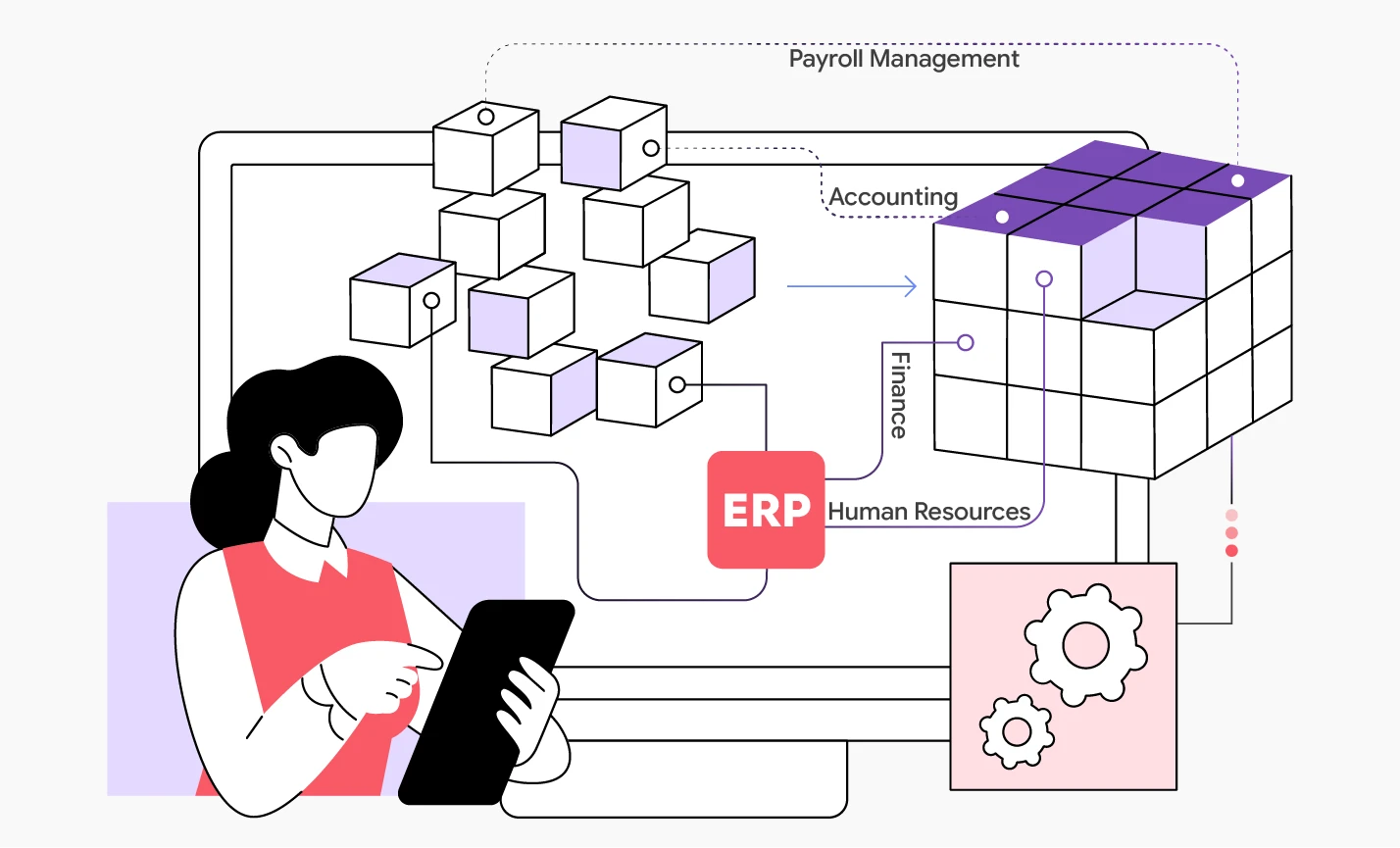
ERP (Enterprise Resource Planning) is an integrated information system that enables businesses to manage core processes such as finance, accounting, human resources, payroll, procurement, inventory, production, and sales through a shared database. ERP systems bring together data generated across different departments in a central structure, helping information flow remain consistent, traceable, and up to date. This allows businesses to manage operations more efficiently, plan resource utilization, and rely on a common source of data in decision-making processes.
Once a business begins employing personnel, not only do its commercial activities commence, but so do its social security obligations. In order for employees to be registered as insured individuals, for premium obligations to be fulfilled, and for transactions before the Social Security Institution (SSI) to be carried out, the employer must first notify the workplace to the Social Security Institution. This process is referred to in the legislation as workplace registration.
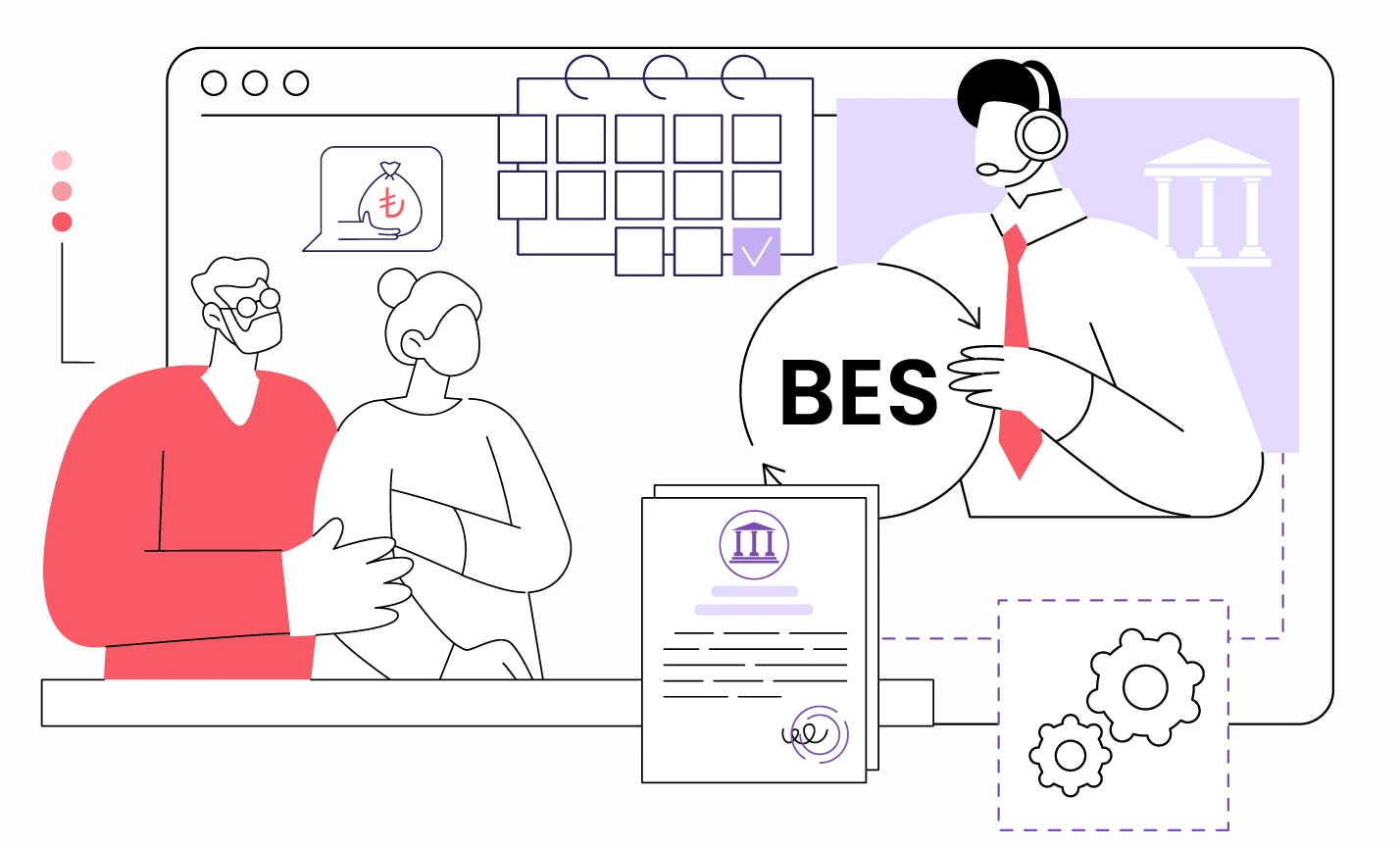
In Türkiye, the individual pension system has evolved from being merely a voluntary savings instrument into a structure that operates in direct integration with the labor market. The Automatic Enrollment System (AES), which constitutes the most significant pillar of this transformation, aims to support employees’ financial future while introducing a model that requires the restructuring of payroll, human resources, and financial processes from the employer’s perspective.
Payroll is a document detailing the wage paid by the employer to the employee, along with the statutory deductions and additional payments related to this wage. It is also referred to as a wage slip. In Türkiye, pursuant to Article 37 of Labor Law No. 4857, the employer is obliged to provide the employee with a wage calculation slip.
The success of a payroll process is not limited to calculating wages using accurate formulas. In practice, the real determining factor is whether all steps that feed data into payroll operate in the correct sequence, at the right time, and through the appropriate systems. When working hours, leave records, overtime, fringe benefits, SSI declarations, tax obligations, and payment dates are not managed within a single timeline, even the most capable payroll teams begin to struggle. For this very reason, the payroll calendar stands out as one of the most critical control tools underlying payroll operations.
Payroll management is often perceived in many organizations as merely a wage calculation process. In reality, however, it represents a much broader and more multidimensional framework. Payroll is a critical process through which the employer fulfills its financial obligations to employees while also interacting directly with tax and social security systems.
The Court of Justice of the European Union (CJEU), in its judgment dated March 19, 2026 in Case C-526/24 (Brillen Rottler) ("Decision"), has established an important precedent regarding the limits of data subject rights under the GDPR. The Decision clarifies under which conditions the right of access under Article 15 GDPR may be restricted within the framework of Article 12(5) GDPR, while also reassessing the scope of the right to compensation under Article 82 GDPR.
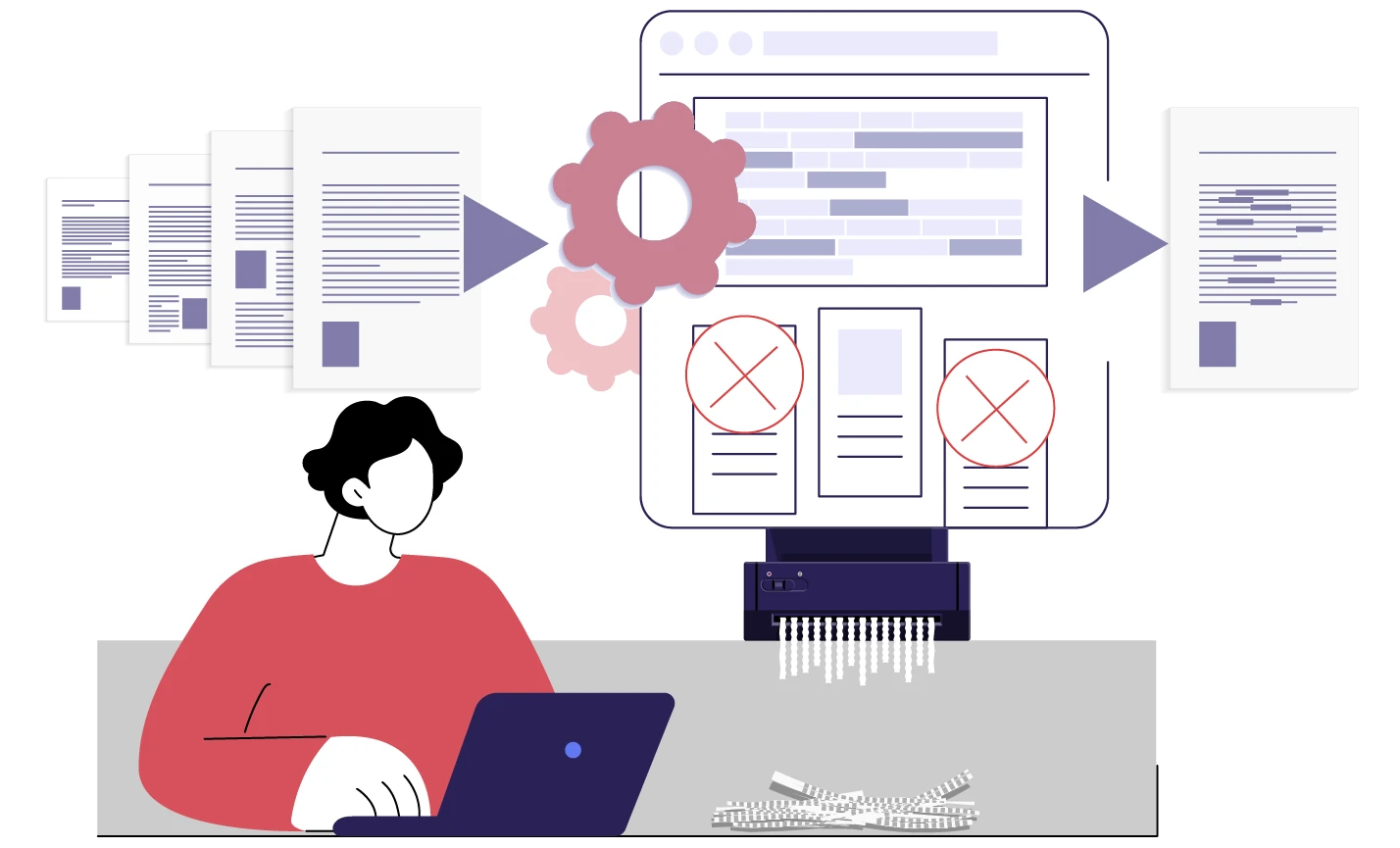
The European Data Protection Board (EDPB) has published a comprehensive report under the 2025 Coordinated Enforcement Framework (CEF), examining how the right to erasure, as regulated under Article 17 of the GDPR, is implemented across Europe. Within the scope of this study, 764 controllers were assessed through investigations conducted by 32 data protection authorities, and the structural challenges encountered in the implementation of the right to erasure, as well as examples of good practices, were identified.